
How can we explain the complexities of rendering soft goods
At my current employer, JMDA, I suggested that we create three different levels of texturing for a cushion as part of a recent pitch to a potential client. I wanted to give them a clearer, more visual way to understand how varying levels of rendering detail can change the final outcome. By developing these stepped examples, I aimed not only to produce polished visuals for the pitch, but also to help this client—and future ones—grasp how different texture complexities influence both the look of the product and the time and cost involved.
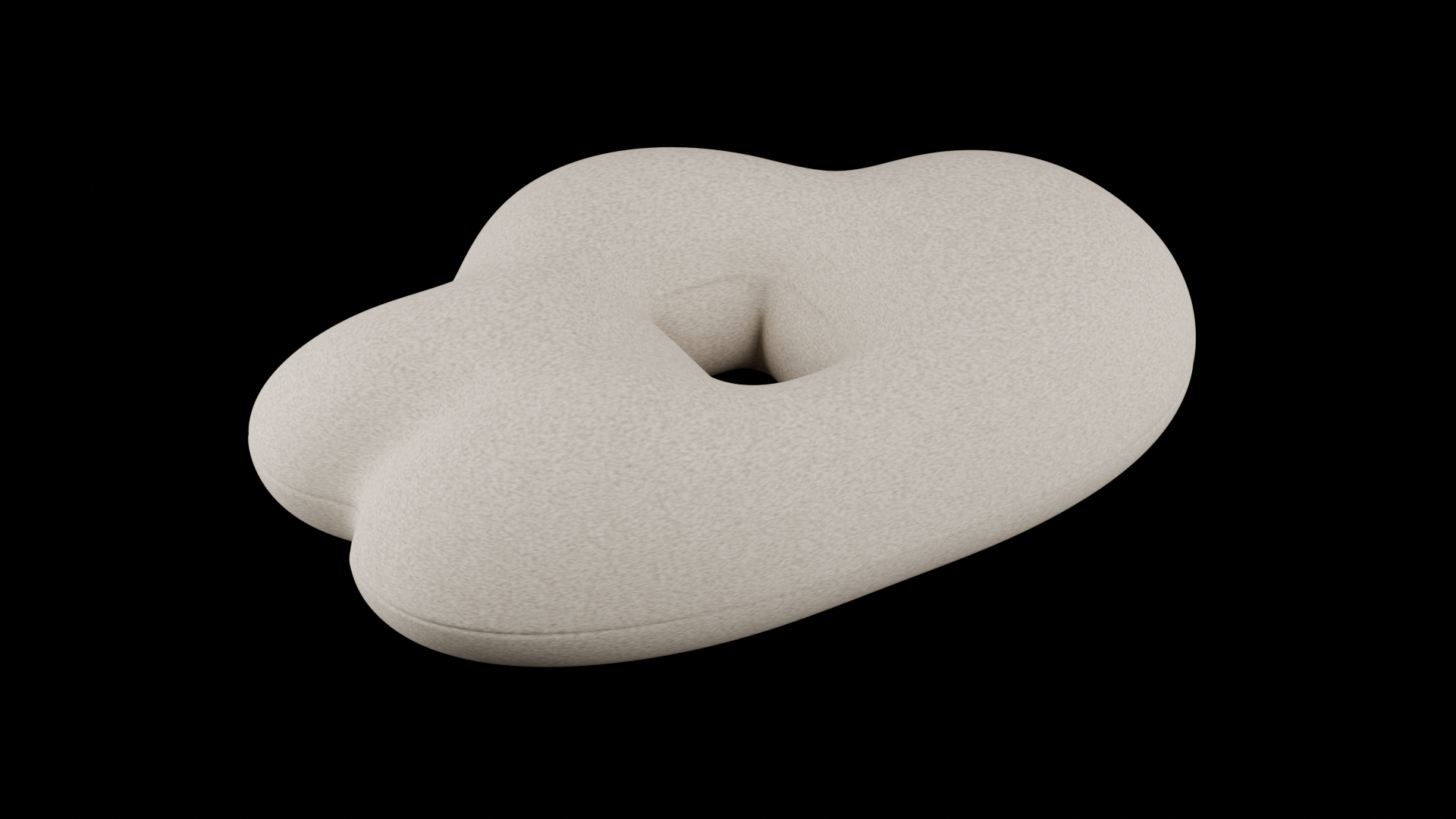
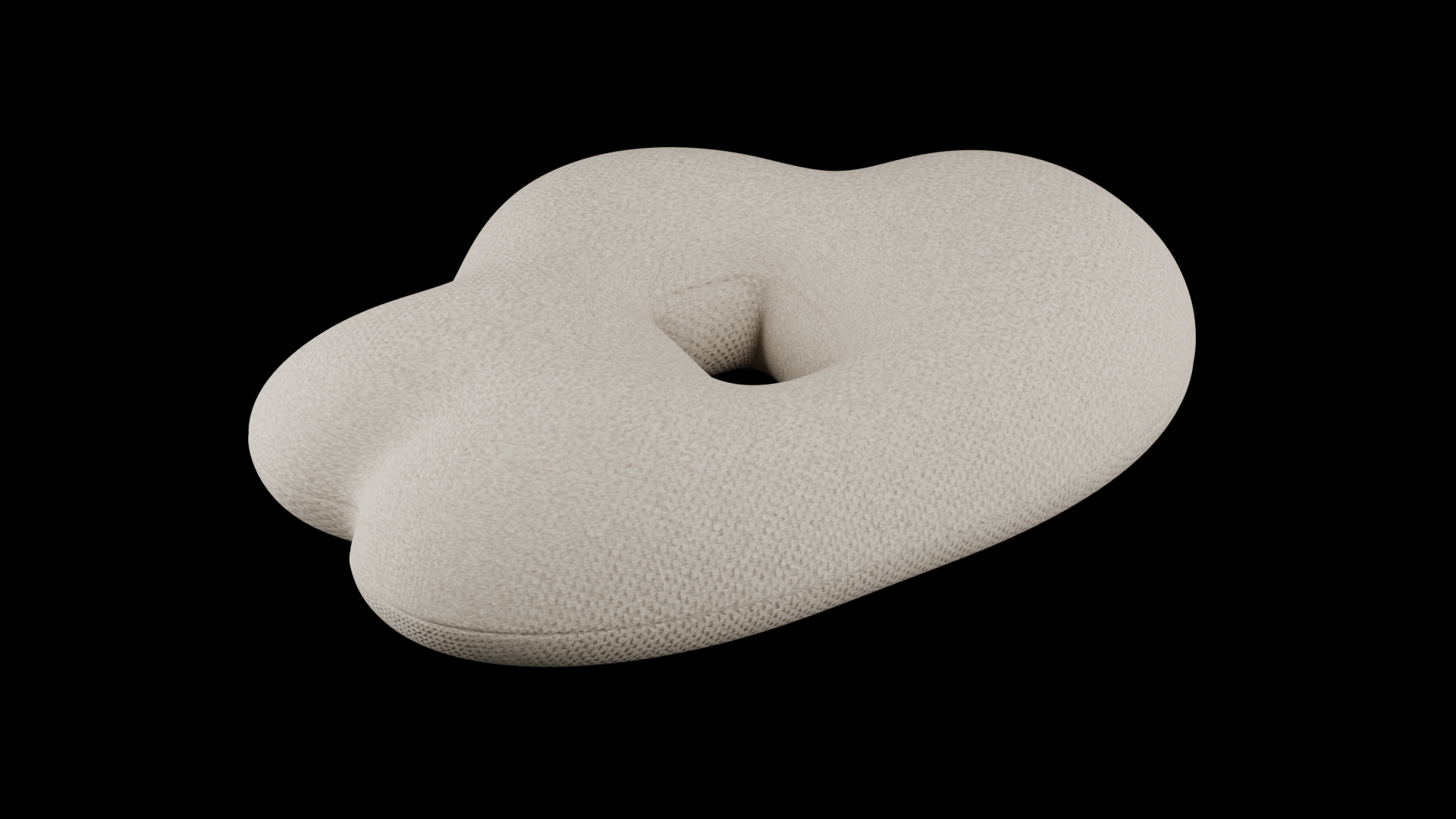
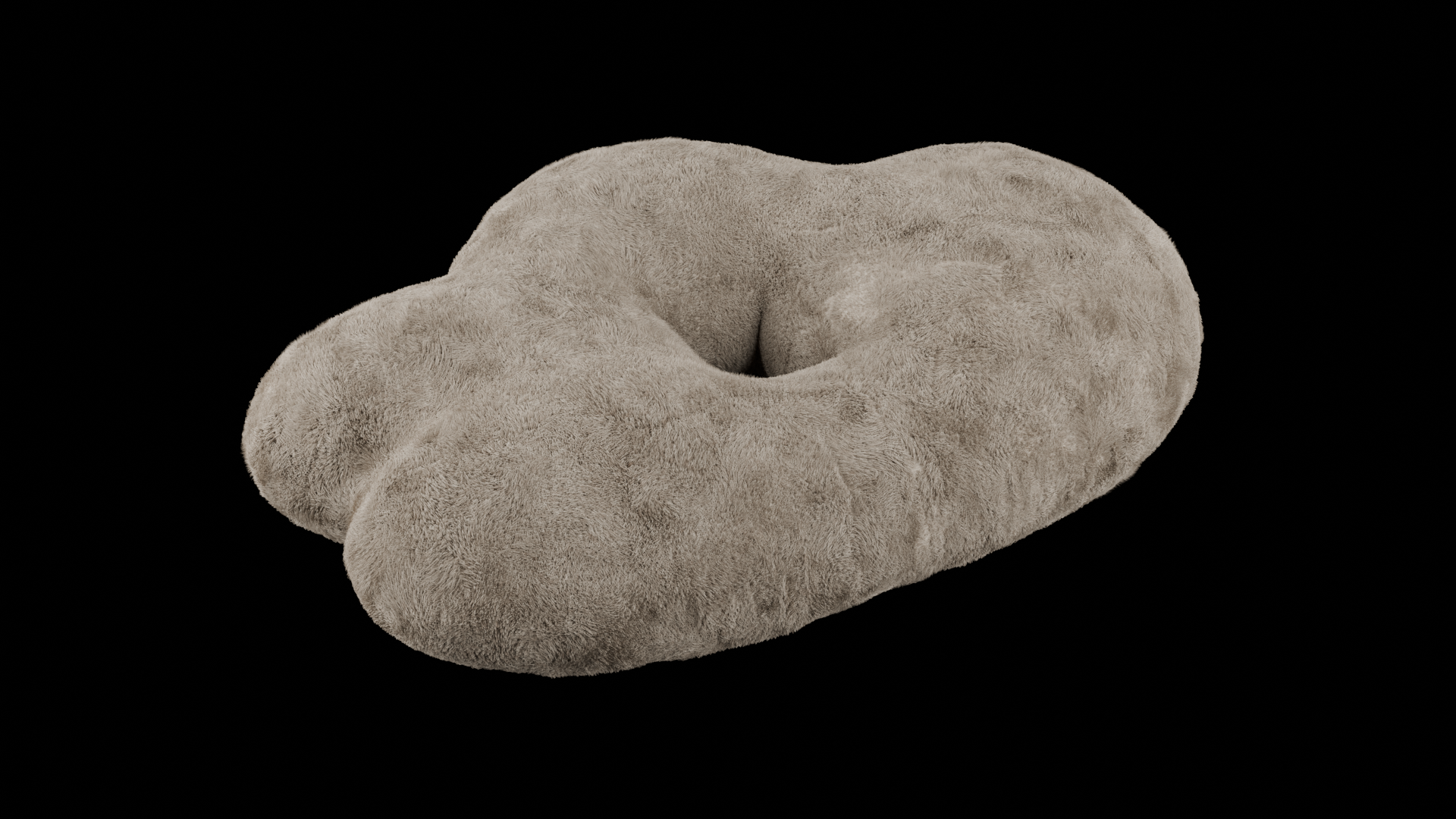
Having these examples made conversations with the client much smoother. Instead of explaining the impact of texture complexity in abstract terms, I could simply show the differences side-by-side. This gave the client a quick, visual way to compare options and make informed decisions about the finish they wanted, while also understanding the time and cost involved. I hope this approach becomes a useful tool for JMDA moving forward, helping future clients get a transparent view of the process right from the start.