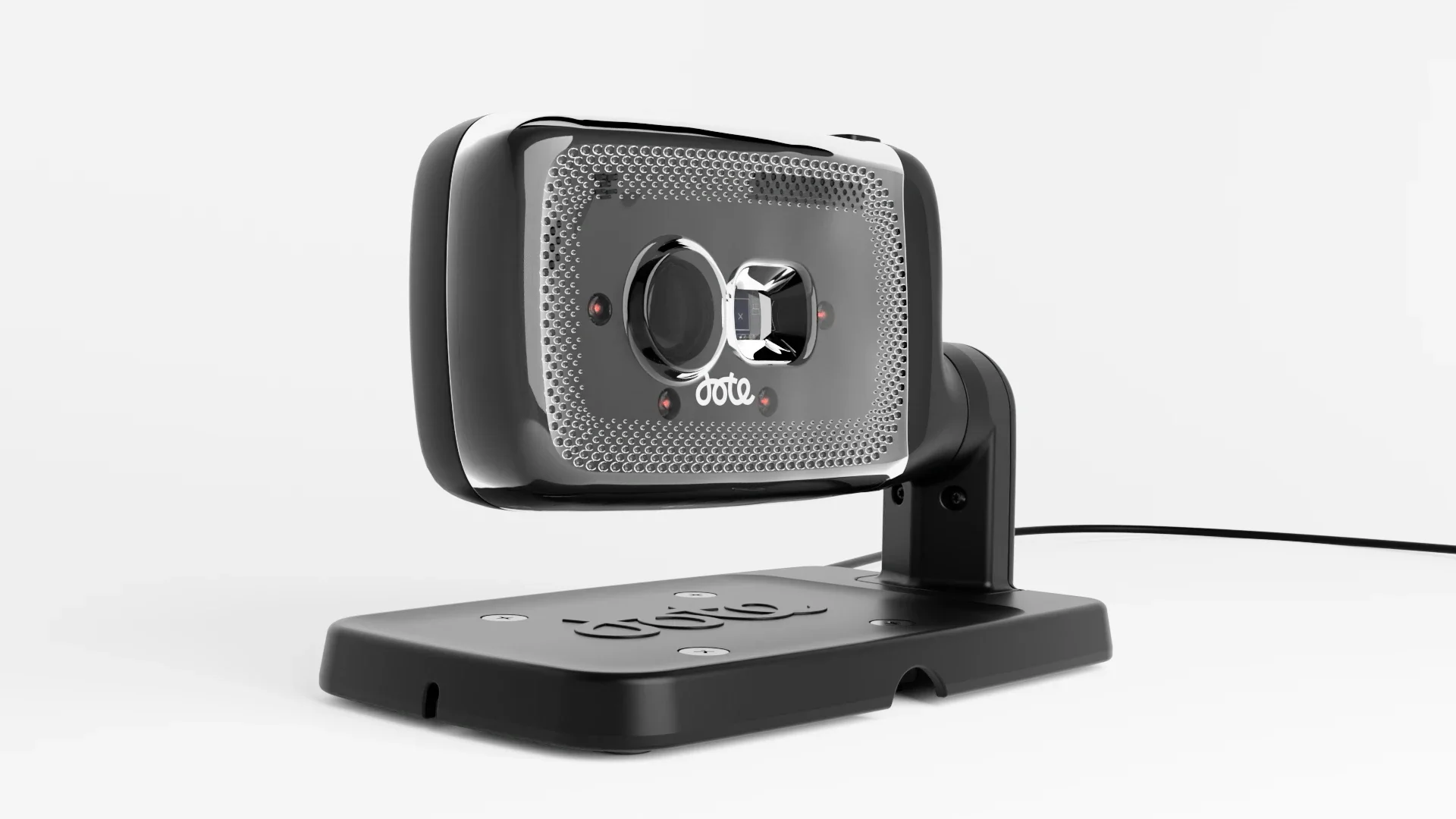
dote
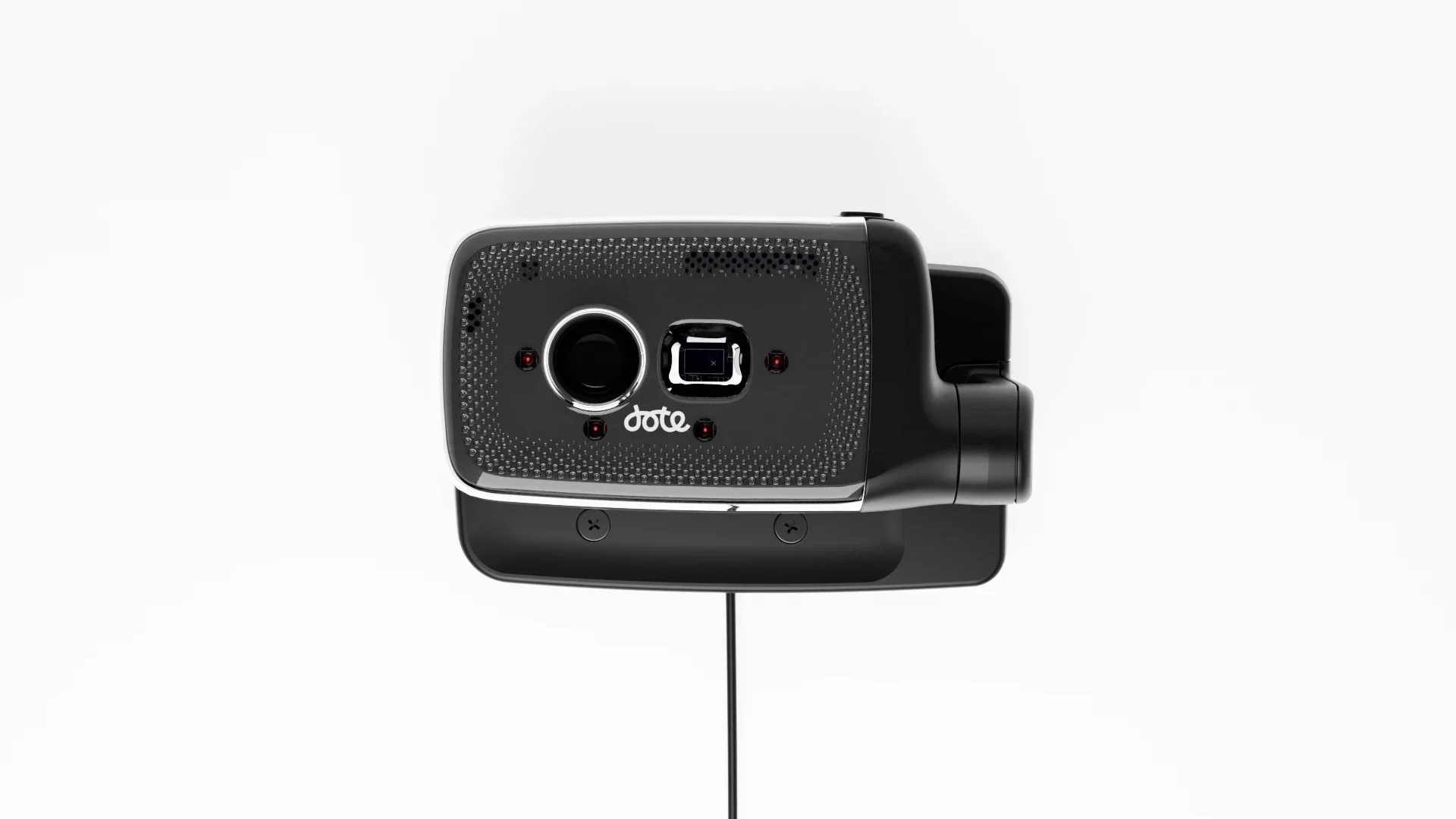
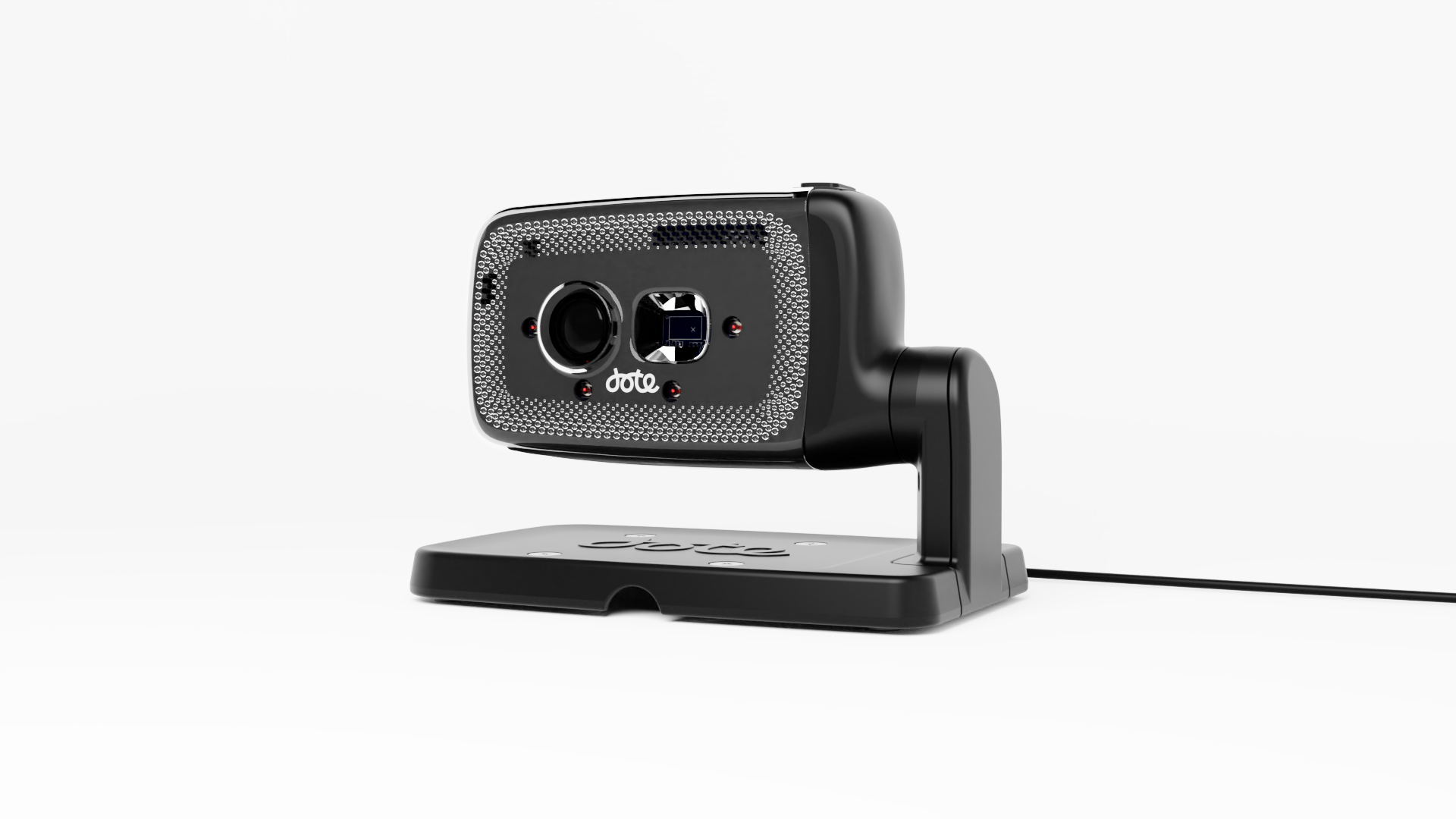
Dote provides parents with real time insights on their baby’s comfort.
With a higher level of complexity vs competitors with onboard computing power and longer life battery, this allows the AI processing to work offline, crucially for us it means a much more compact design would be required to package all this in.
The team provided the full design process from the initial stages of the DFM.
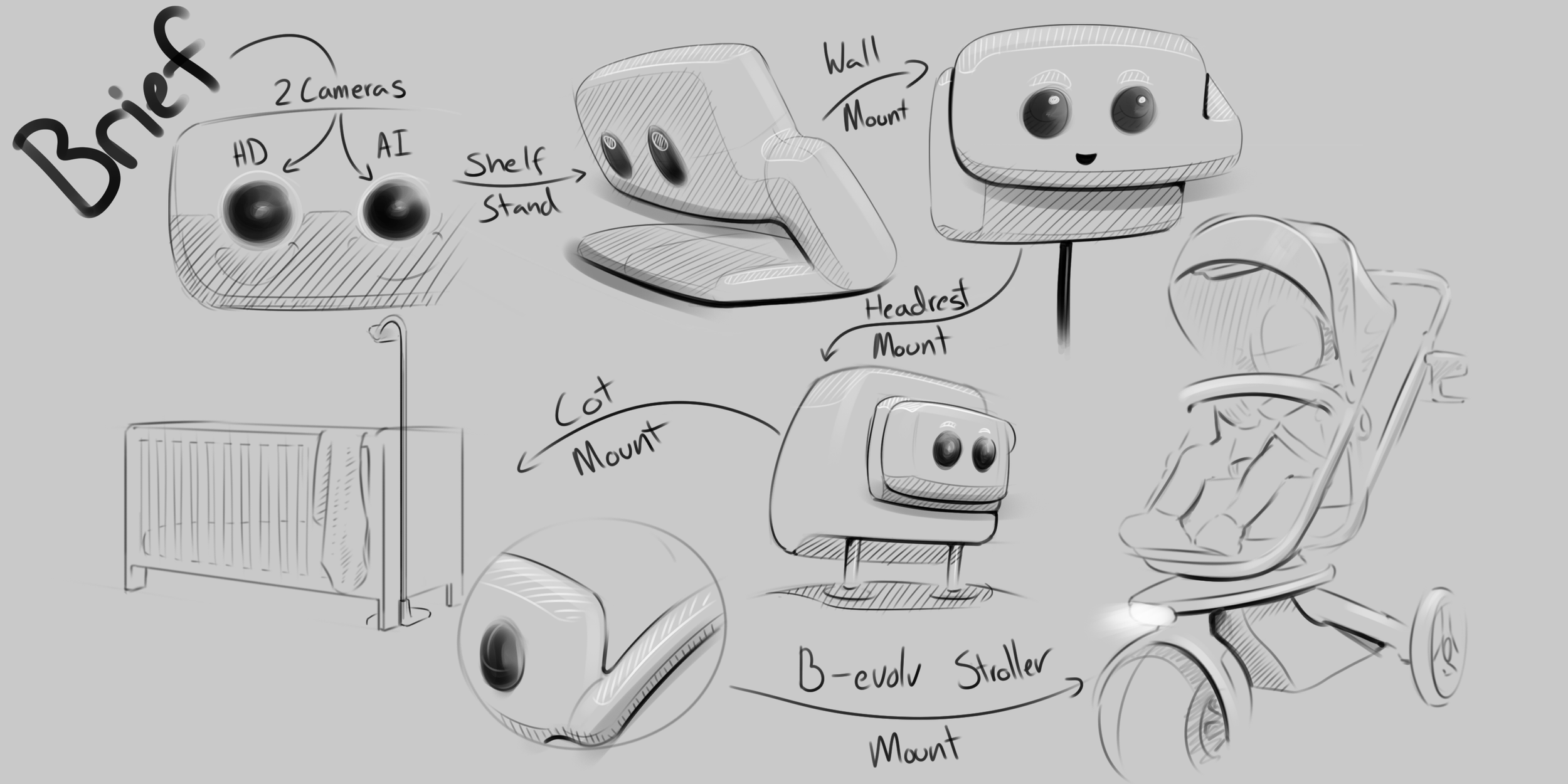
Due to the predicted high cost of the internal electronics, the brief provide was to create a camera that could be removed from it’s stand and transferred into a variety of different stands.
This meant designing both multifunctional stands, as well as specific single use stands.
The stands required were:
Shelf / Wall combination stand
Cot / freestanding mount
Stroller mount for their B-evolve Stroller
Headrest mount
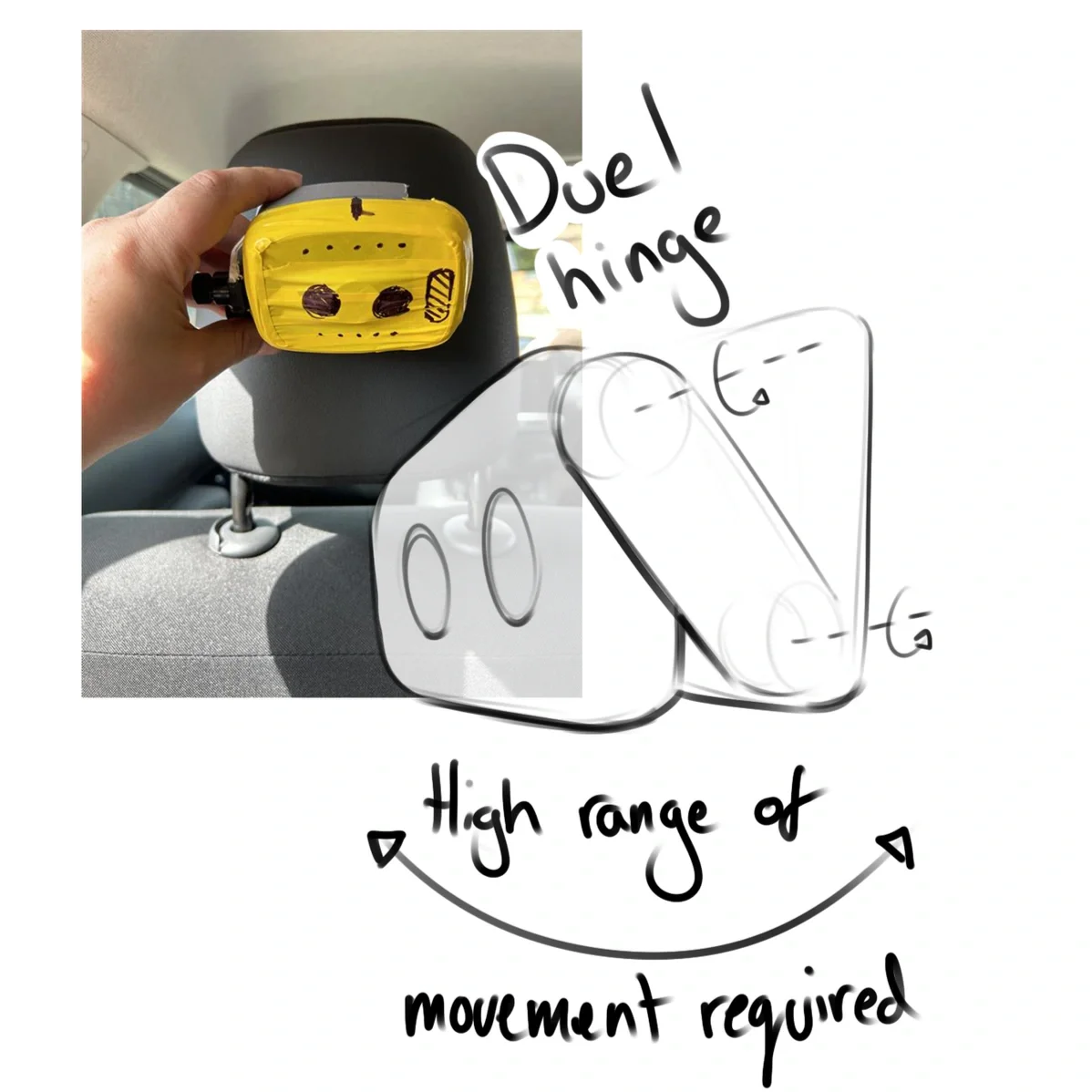
The multi-use stand had several initial design criteria.
A high range of movement, with some form of adjustment in and out.
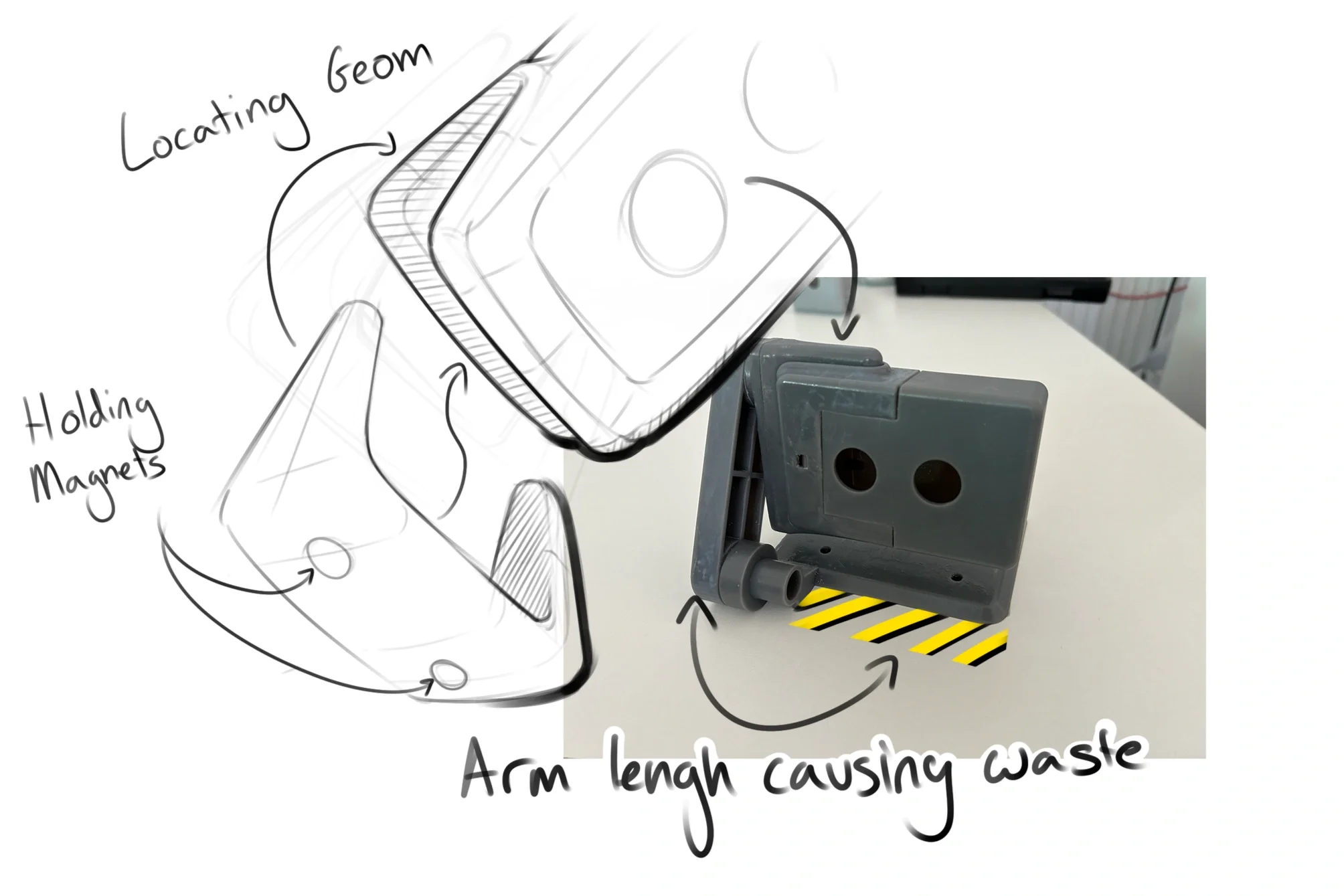
Some form of magnetic mount, whilst also making sure the camera could be mounted accurately and hold in place with repeated vibrations when fitted to strollers.
GEN 1 styling
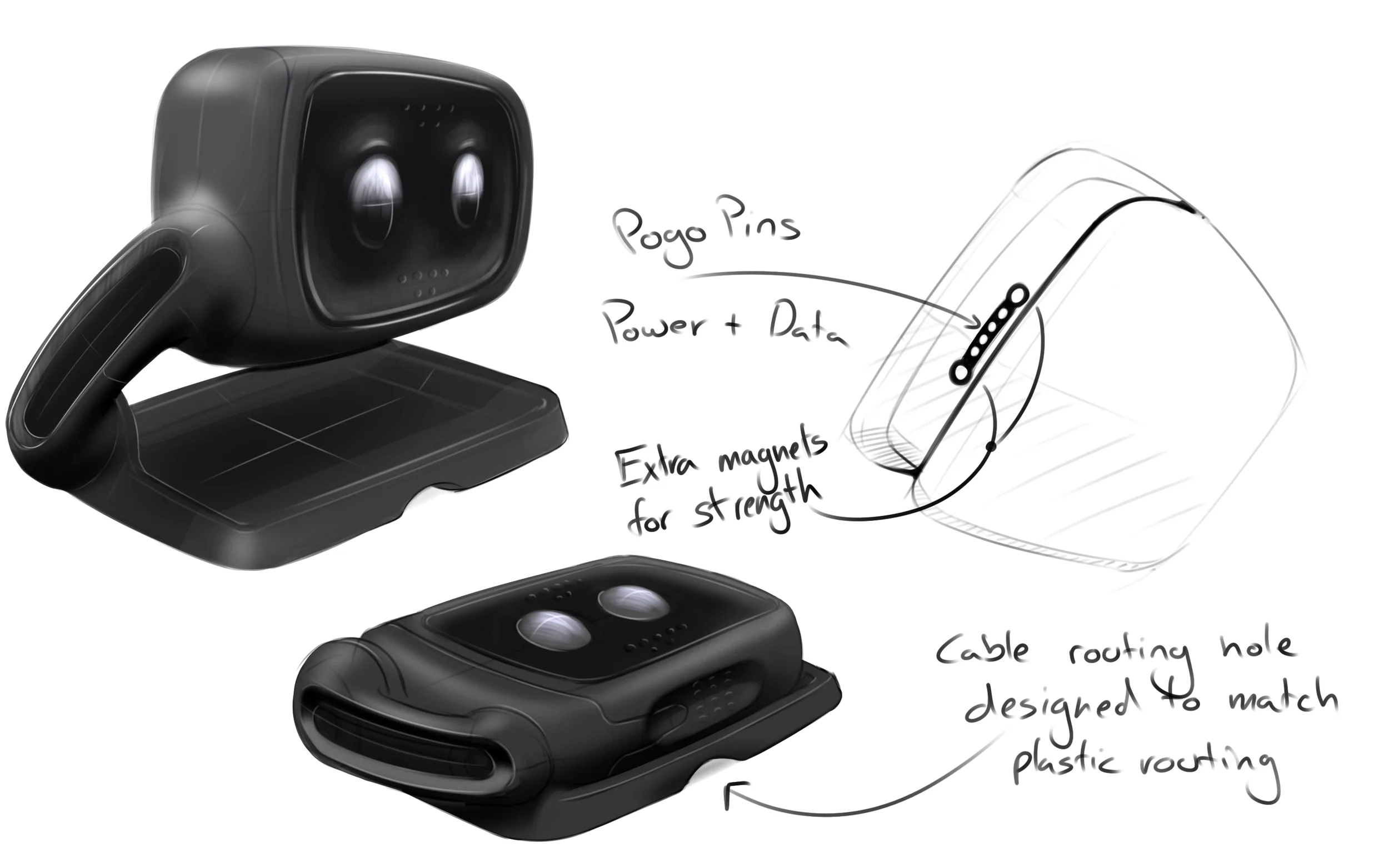
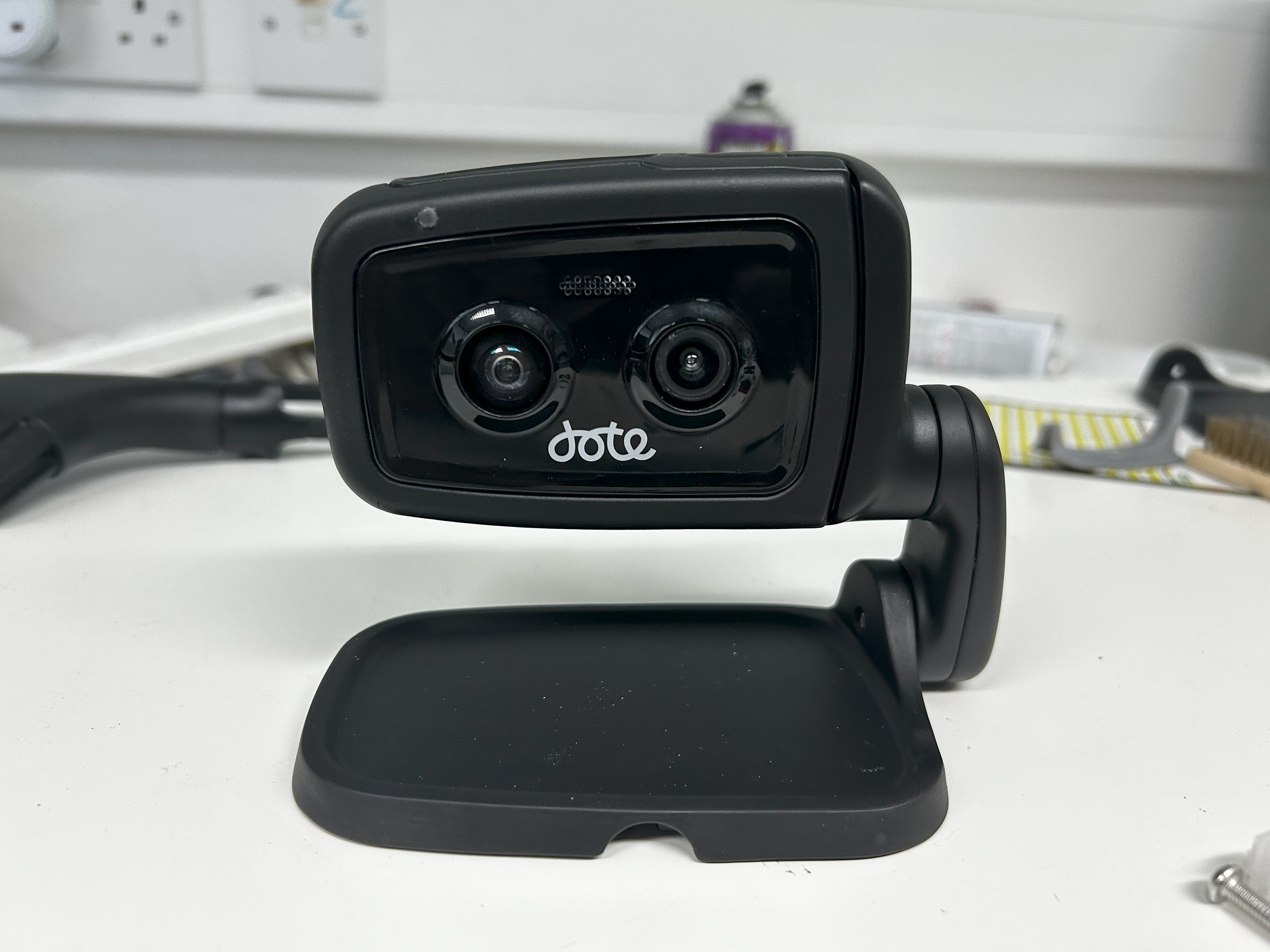
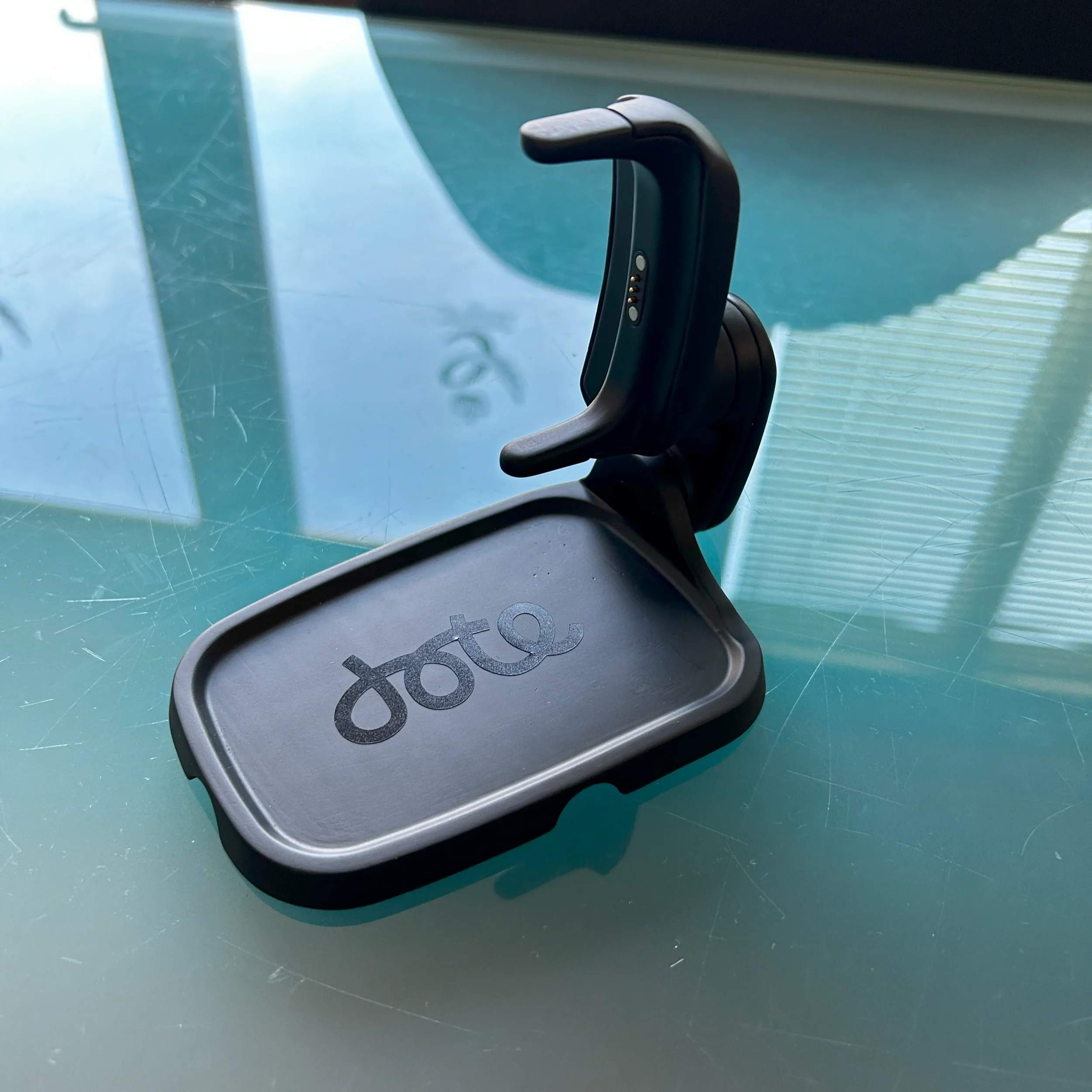
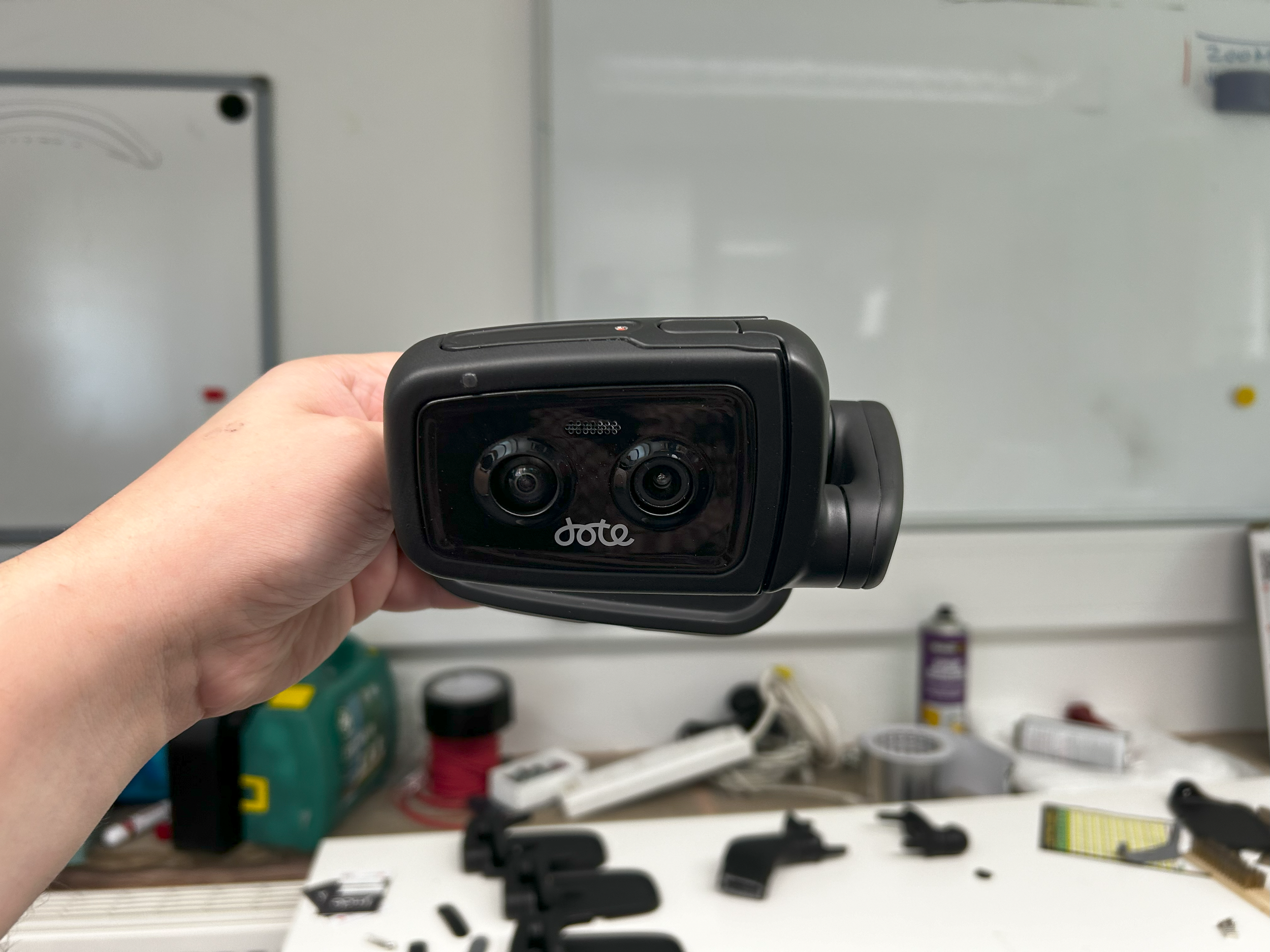
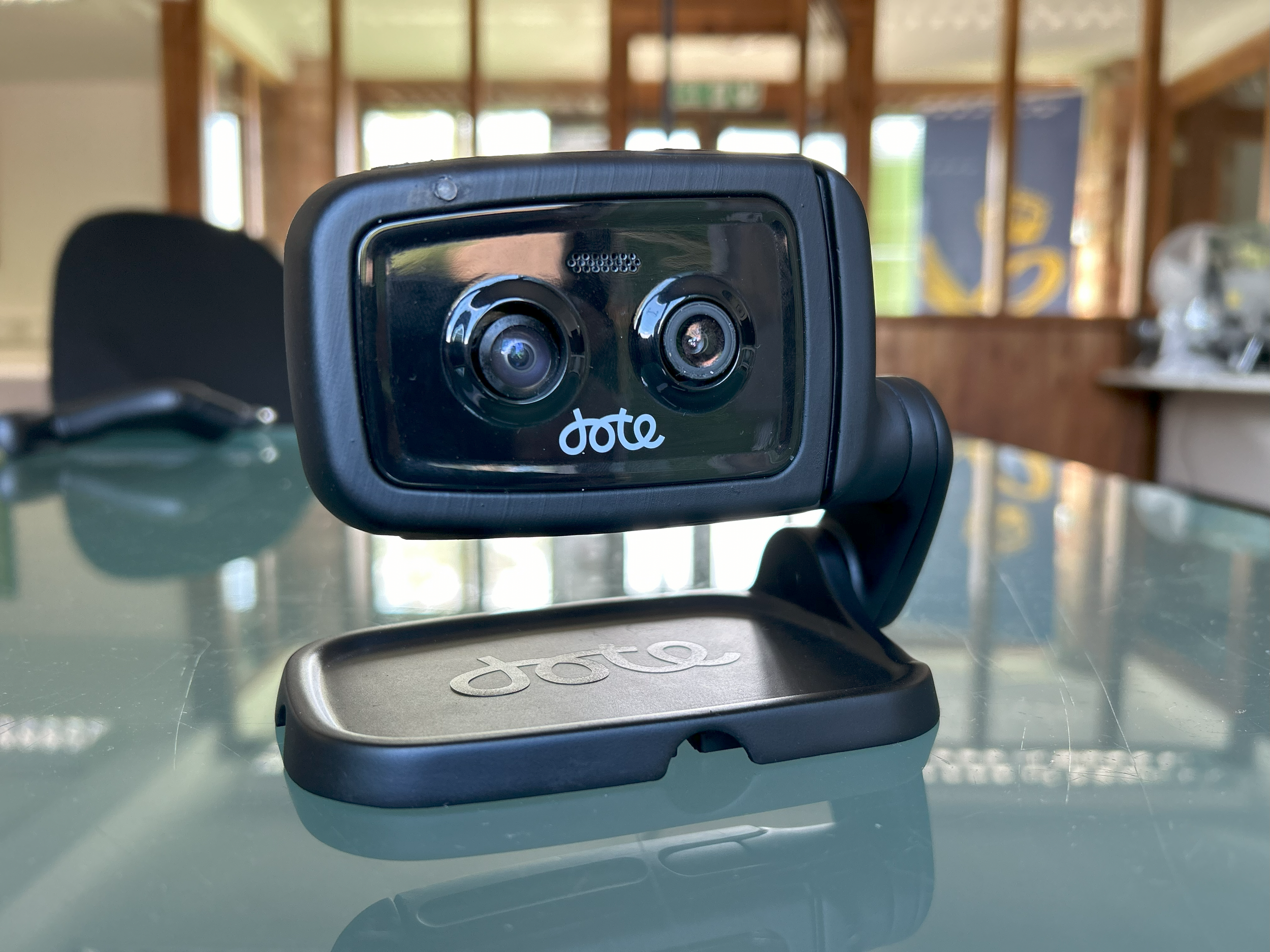
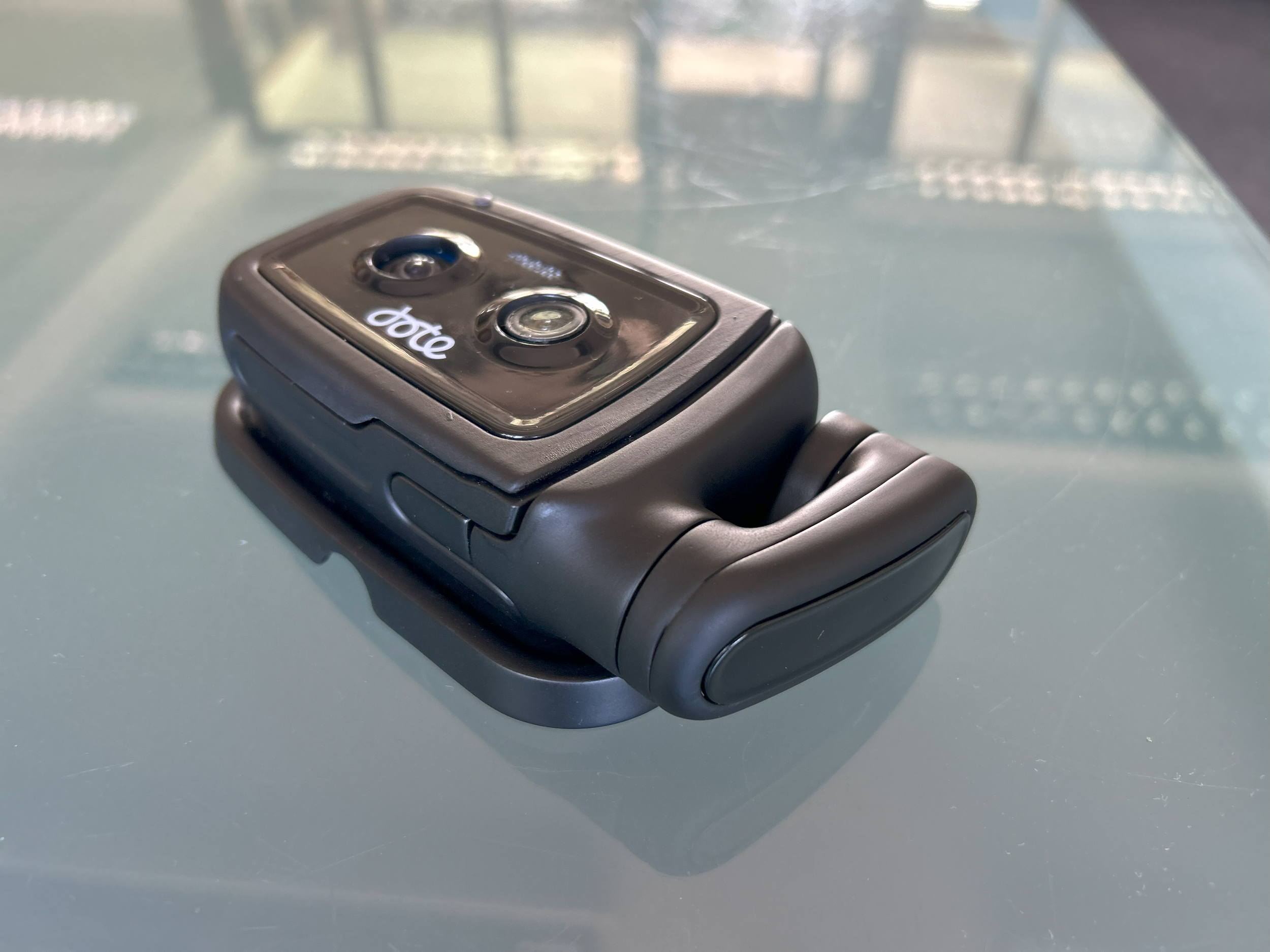
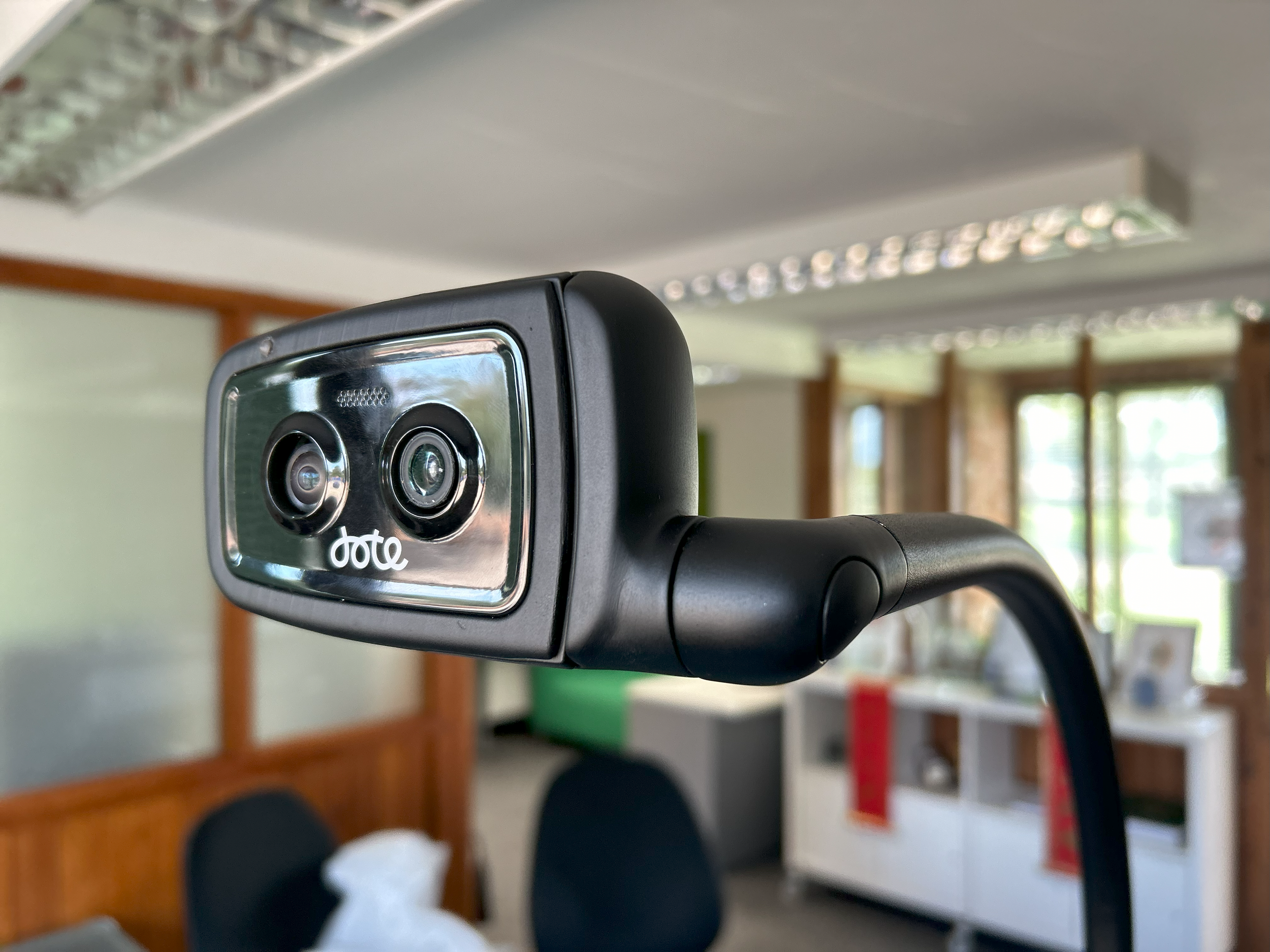
GEN 2 styling
Rapidly moving towards DFM.
With the Gen 2 we needed to head towards design that was DFM ready. this meant addressing a few major changes to begin with.
The main connection method of the camera to the dock, this would be moving to a mechanical connection, as the unit would be used in cars.
The second was a simplification of the camera unit design, a more angled shrink wrap design over the electronics and a simpler split line, with a higher coverage of polycarbonate cover.
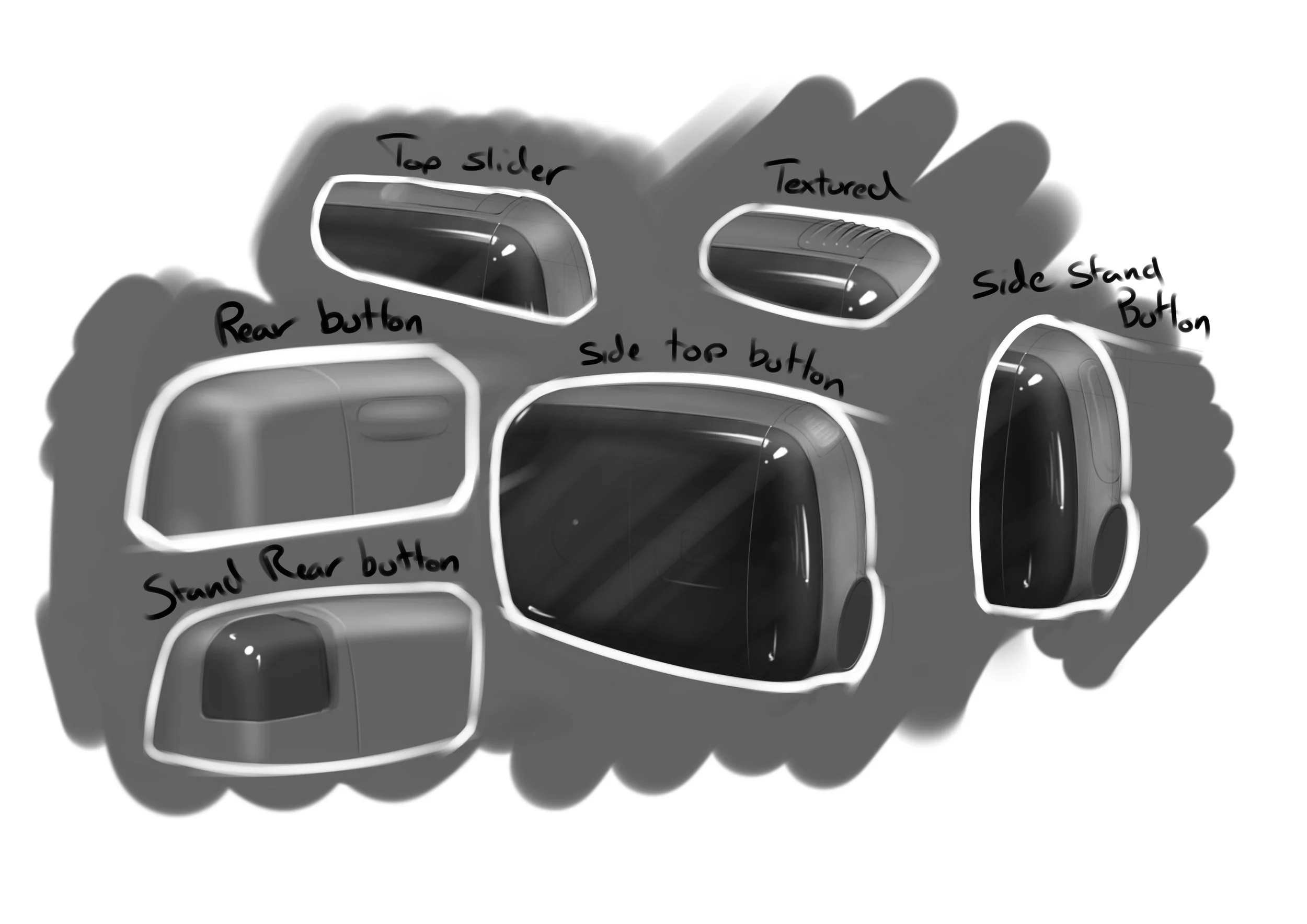
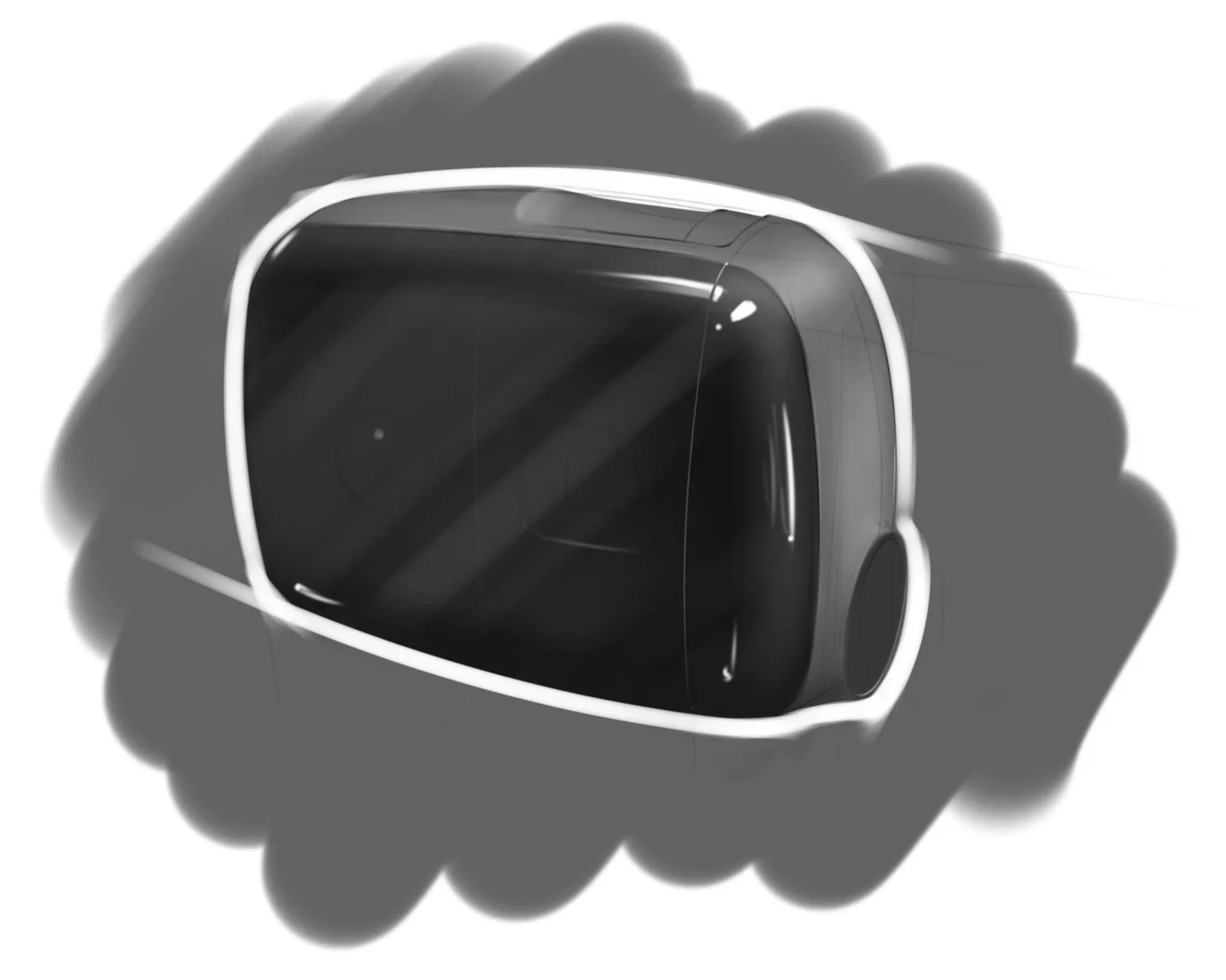
inital camera layout sketches
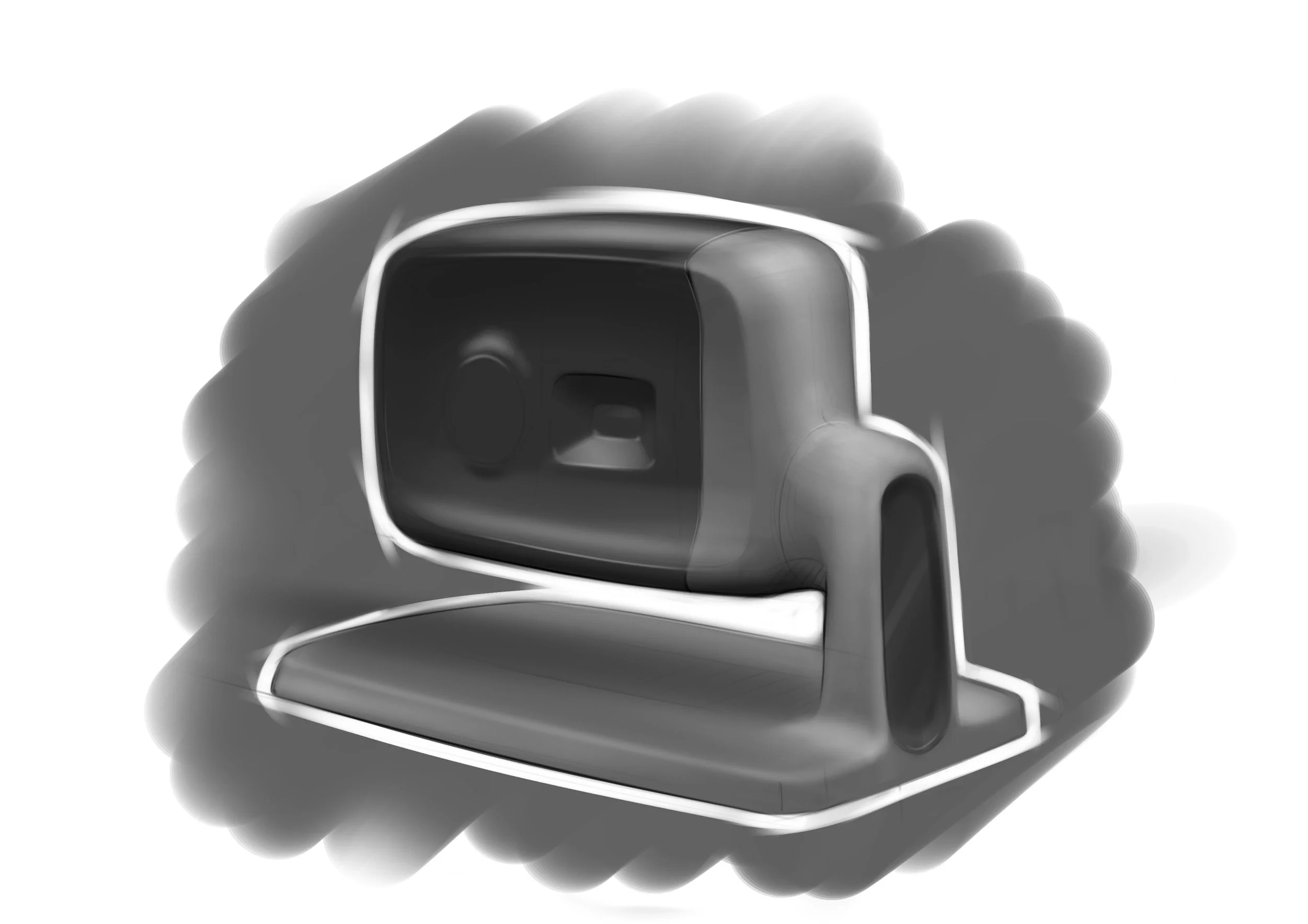
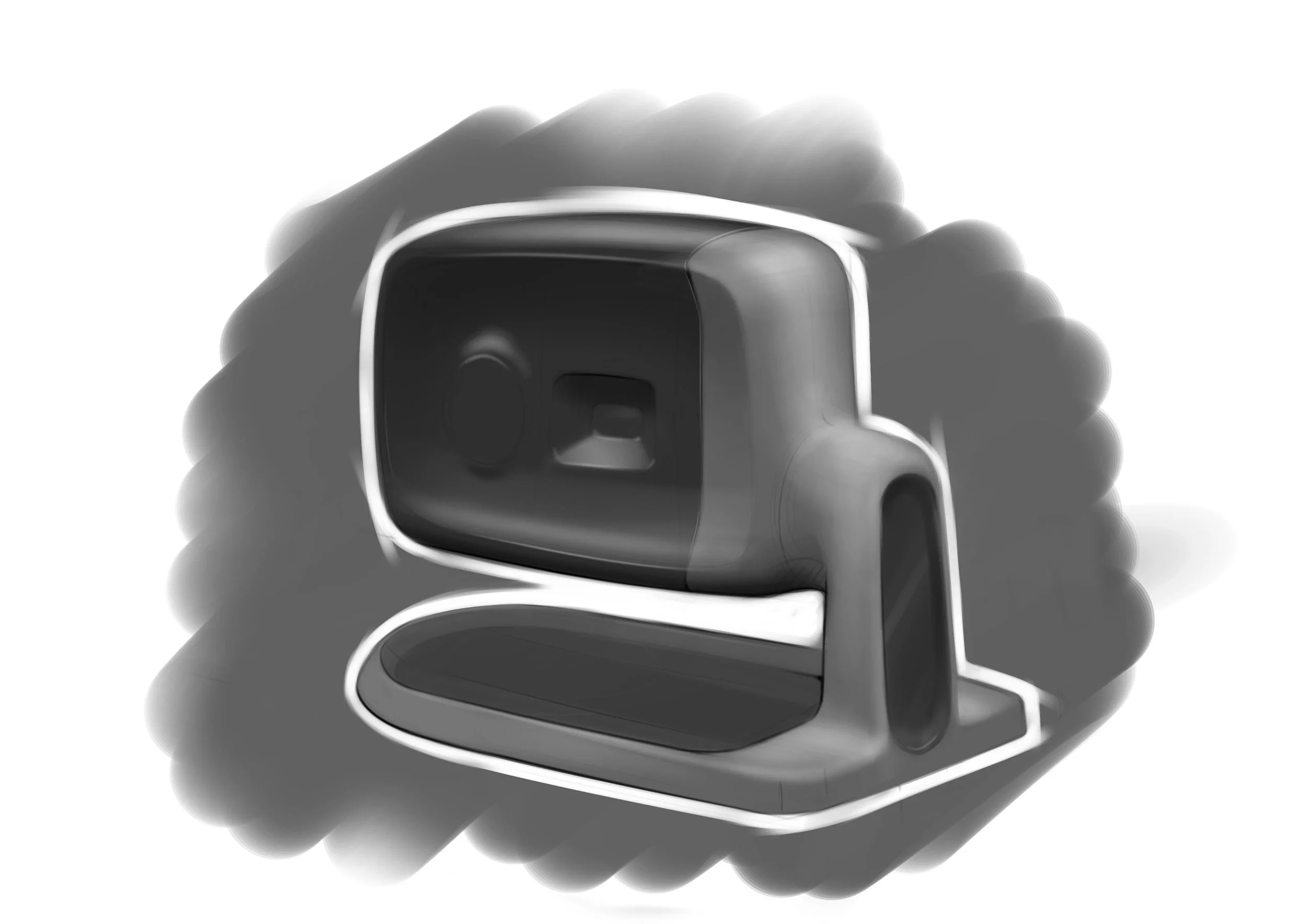
Stand design intial sketches
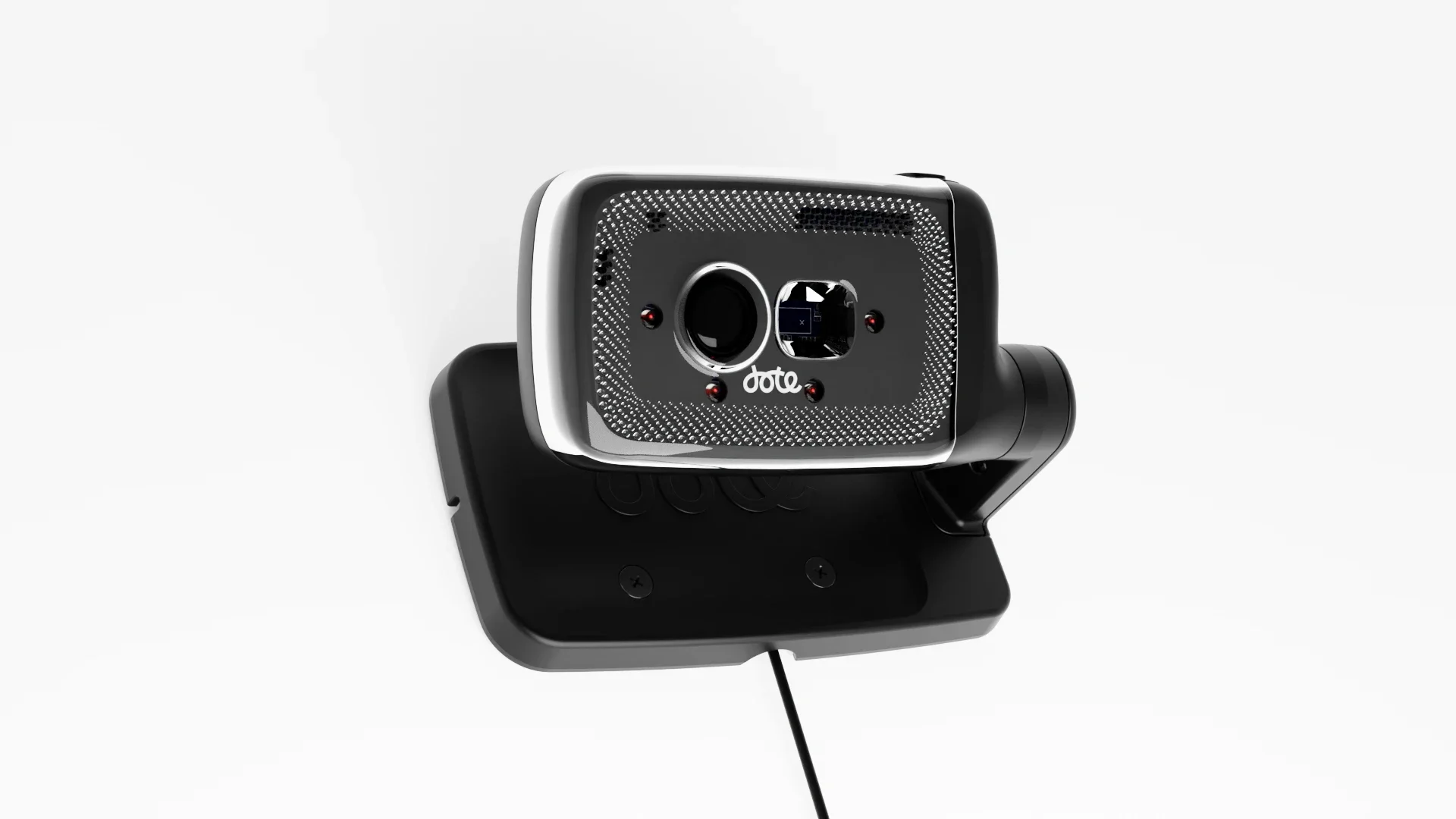
The main change to the stand is the removal of the dual hinge, moving to a single hinge.
This means moving to a less complex stand, with exploration focusing on the general shape and testing accent areas with the polycarbonate to see if this would suit the design.
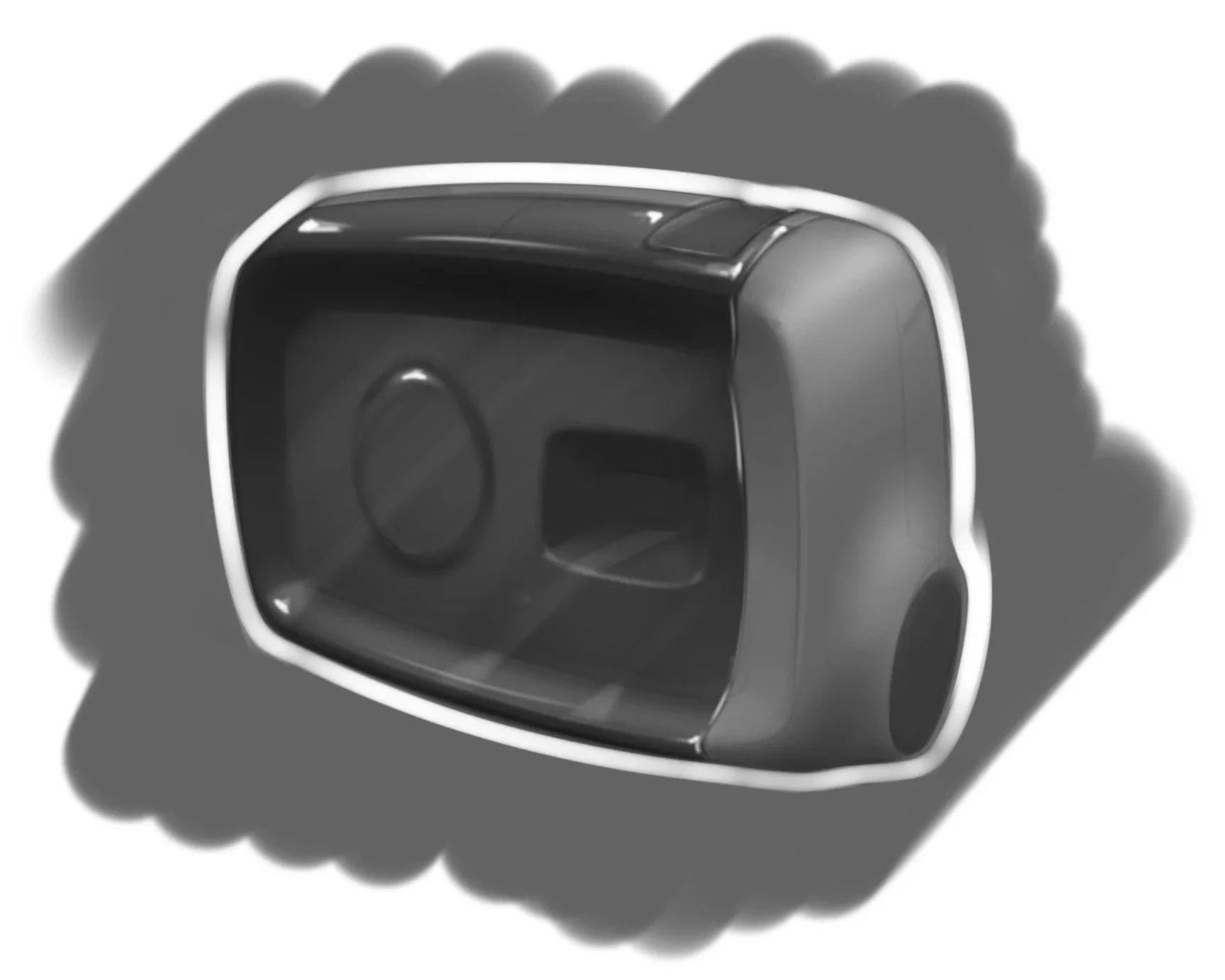
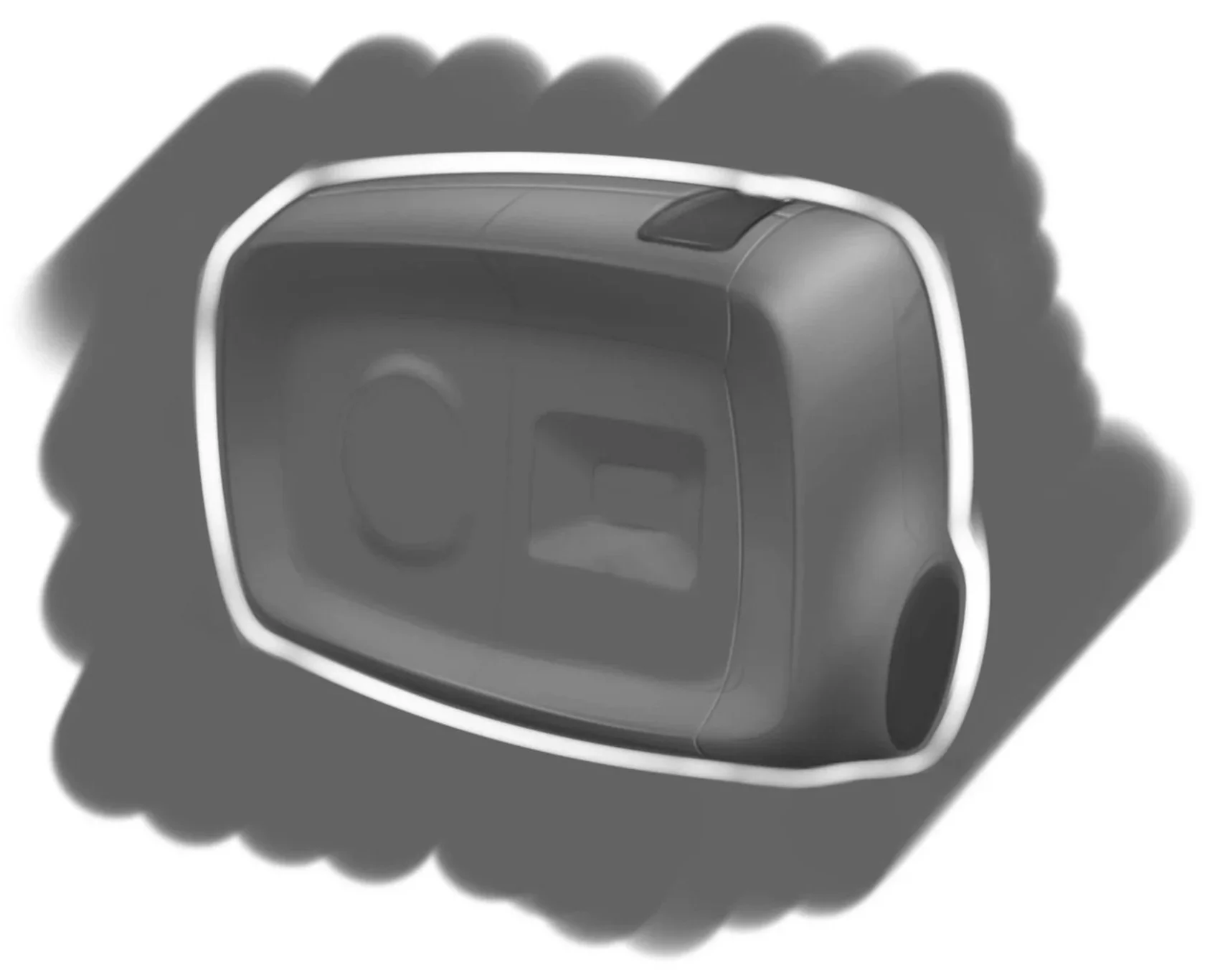
The main visual change in the camera was the increased size of the polycarbonate cover, this was driven by the need to simplify the split lines and hiding the myriad of sensors.
The second change is how the unit connects to the stand, due to the use in car, we had to move from the magnetic solution to a mechanical interlock solution with a trigger release, in the end we stuck with a trigger button on the top, mainly due to space constraints internally.
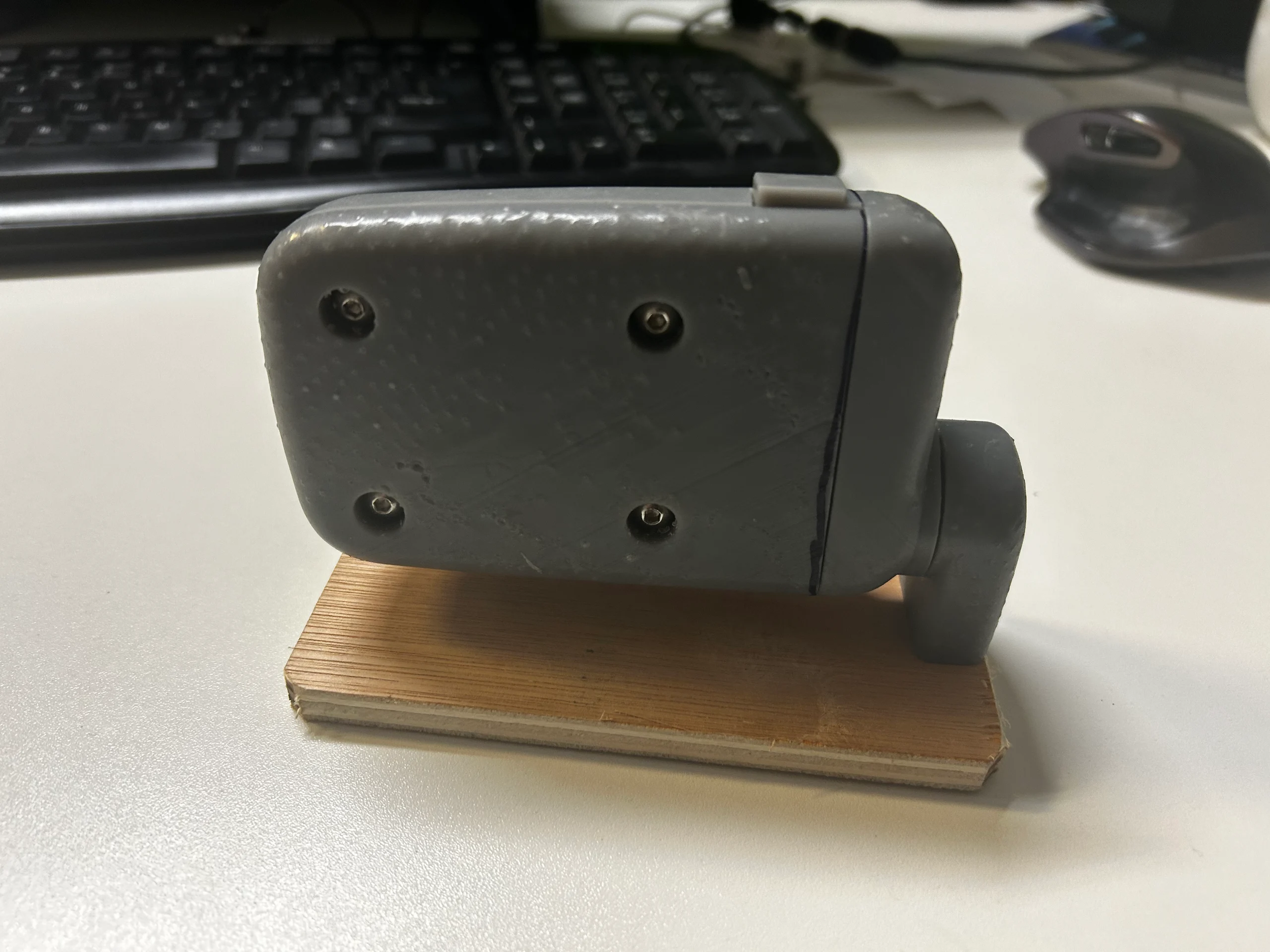
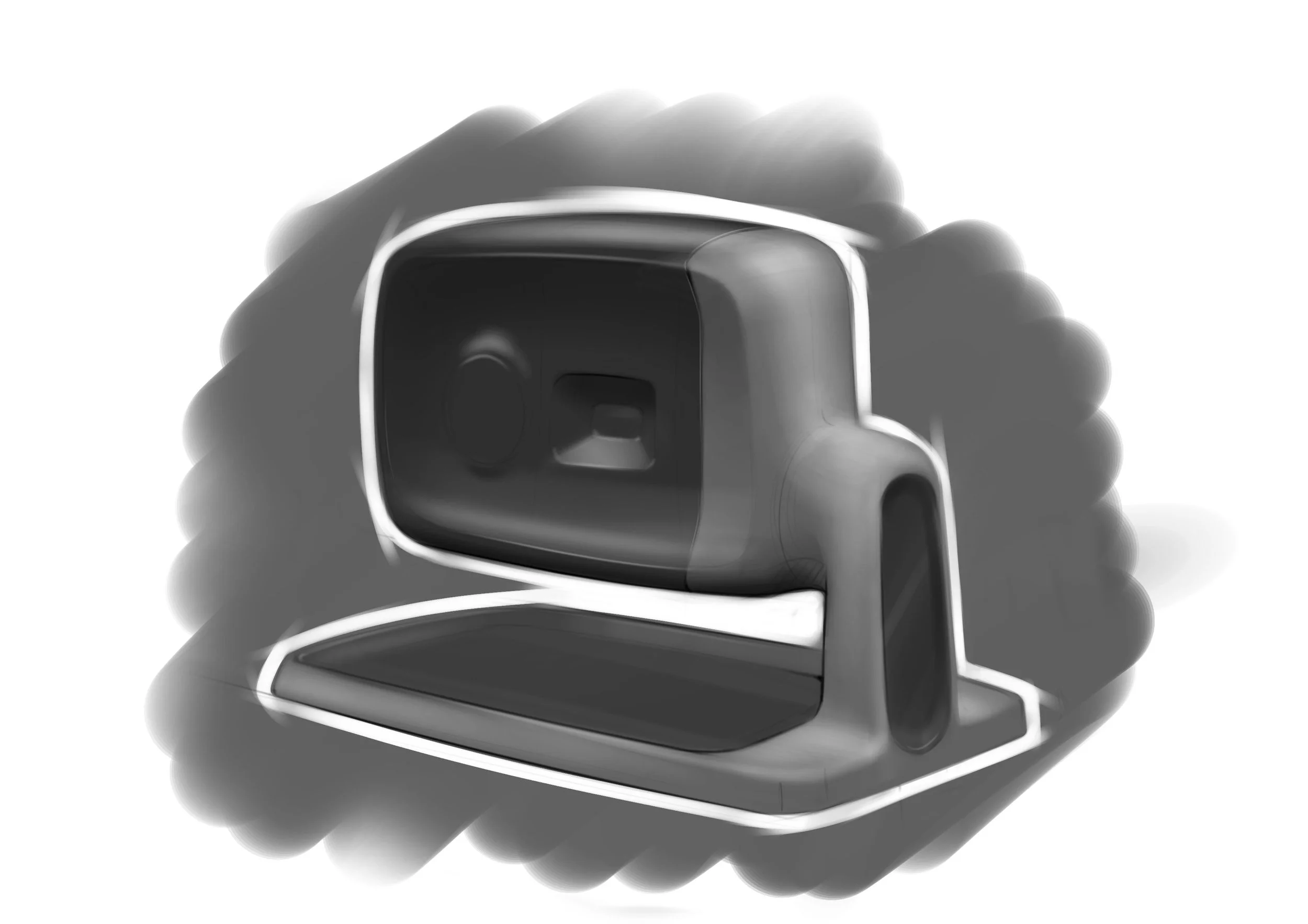
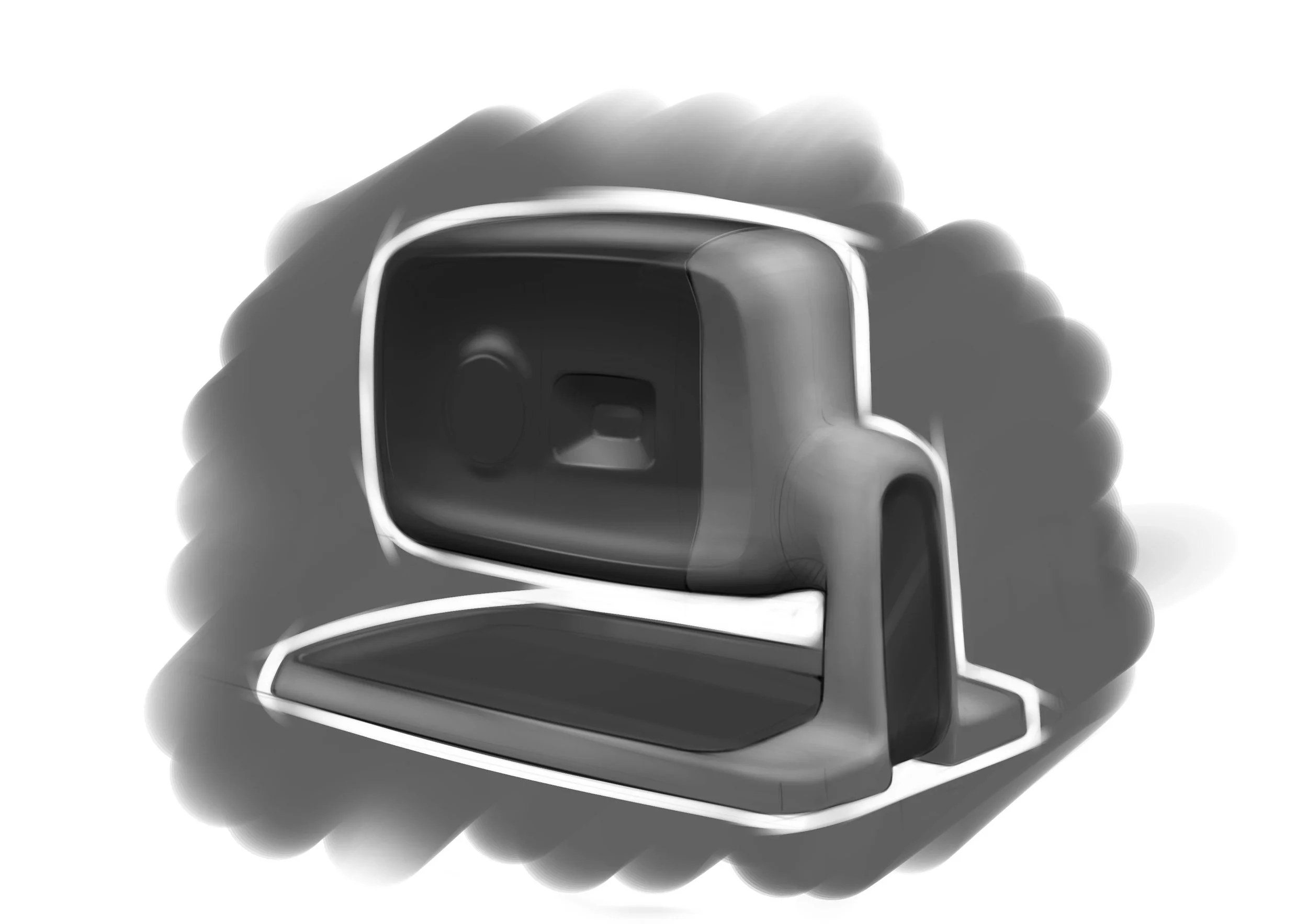
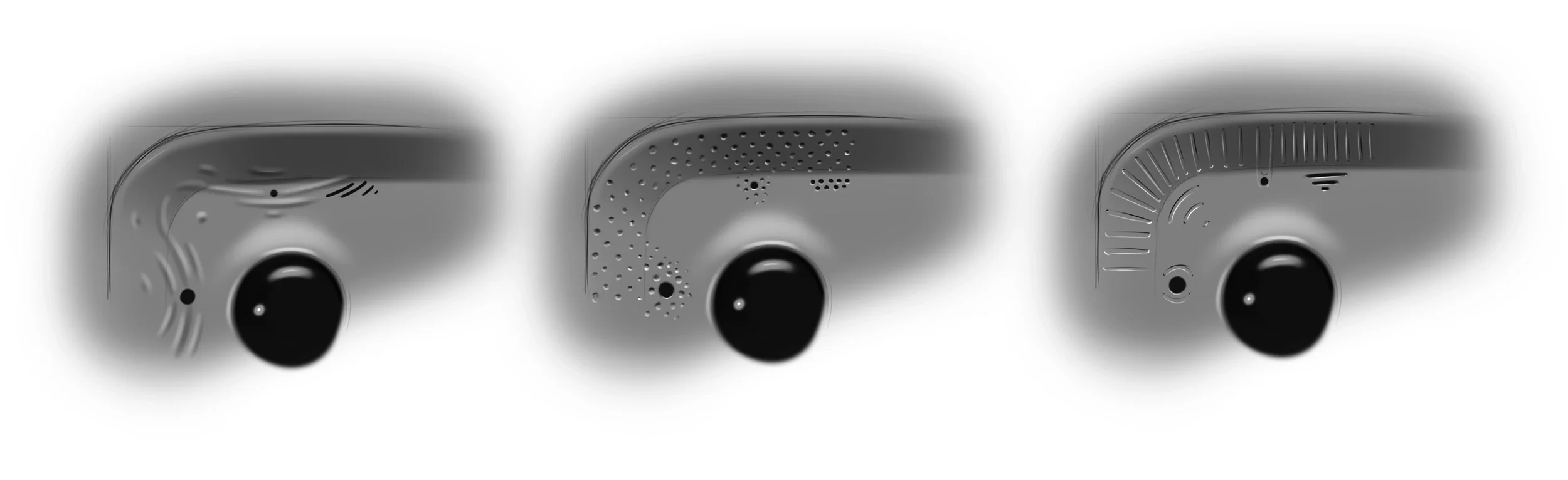
The last area of exploration was the best solution behind blending in the various cut-outs required for the sensors.
Stand design intial sketches